Good writing starts
with good questions.
Practical notes on revising clearly, keeping references intact, and making sense of AI detection.
What an AI detection score can—and cannot—tell you
Read a detector result without mistaking it for proof of authorship.
Read the guide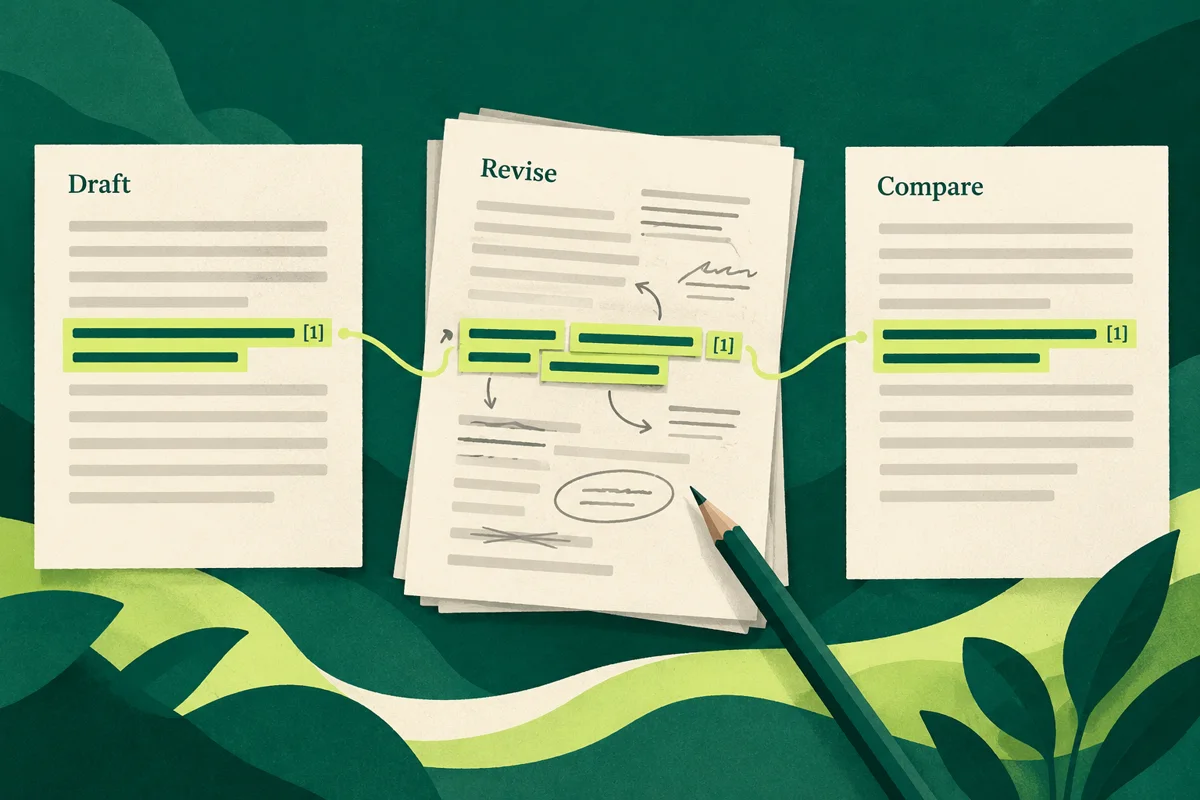
How to Revise AI Writing Without Changing Its Meaning
A practical checklist for revising AI-assisted writing while keeping its claims, facts, and intended meaning intact.
Read the guide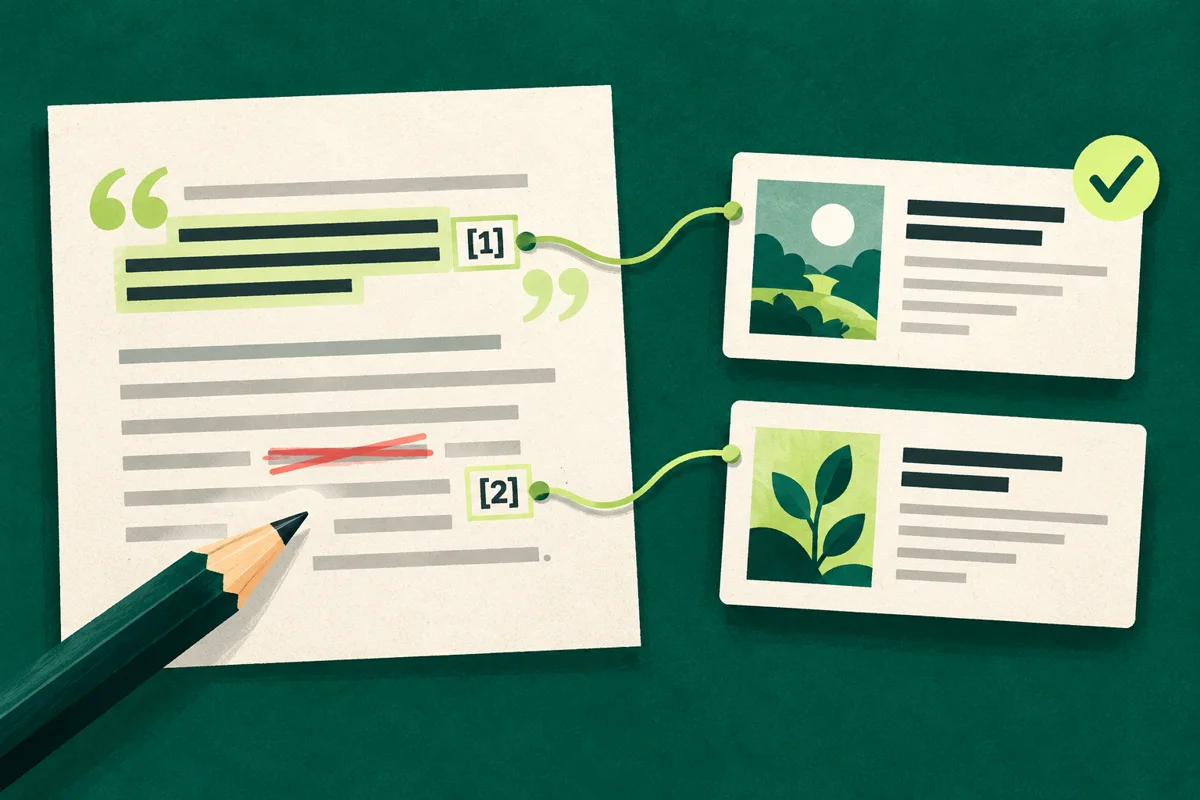
How to Verify AI-Generated Citations Before Rewriting
Check that AI-suggested references exist and support your claims, then preserve accurate quotations and citations when you revise. Includes a worked example.
Read the guide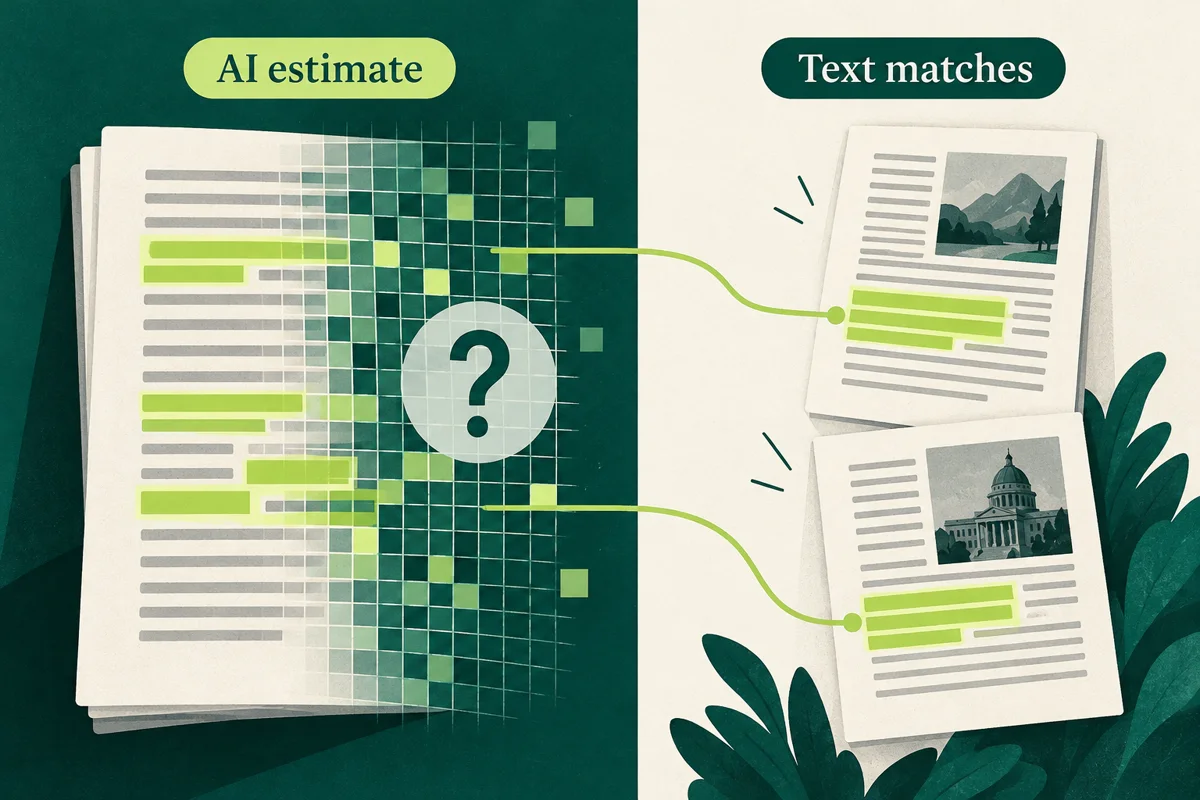
AI Detector vs Plagiarism Checker: What Each Report Tells You
Learn what an AI detector estimates, what a plagiarism checker compares, and why neither score proves that a writer did something wrong.
Read the guide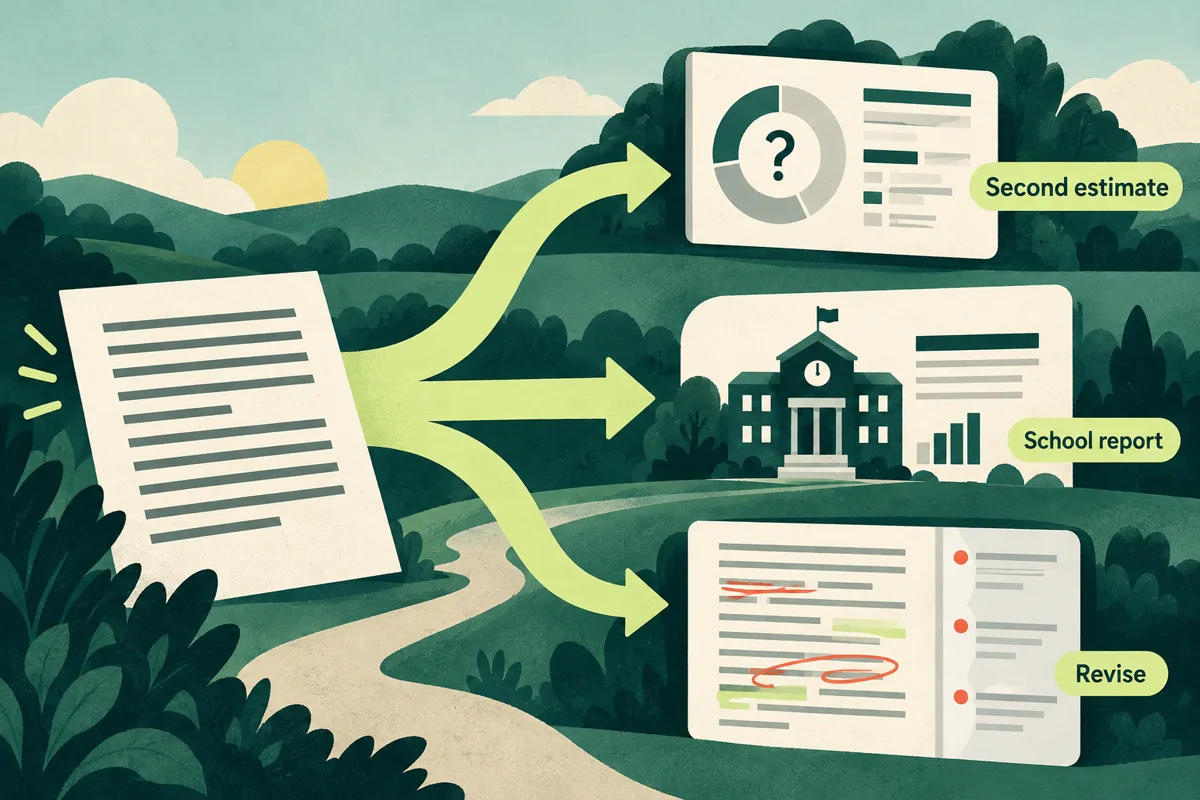
GPTZero Alternatives: How to Choose an AI Writing Checker
Looking for GPTZero alternatives? Compare detector-focused tools, school reports, and writing-review workflows—and learn why scores are estimates, not proof of authorship.
Read the guide

Grubby vs Walter Writes: Features, Free Use and Limits
Compare Grubby and Walter Writes’ publicly listed features, free-use offers, plan prices, and request limits. No output-quality ranking is claimed.
Read the guide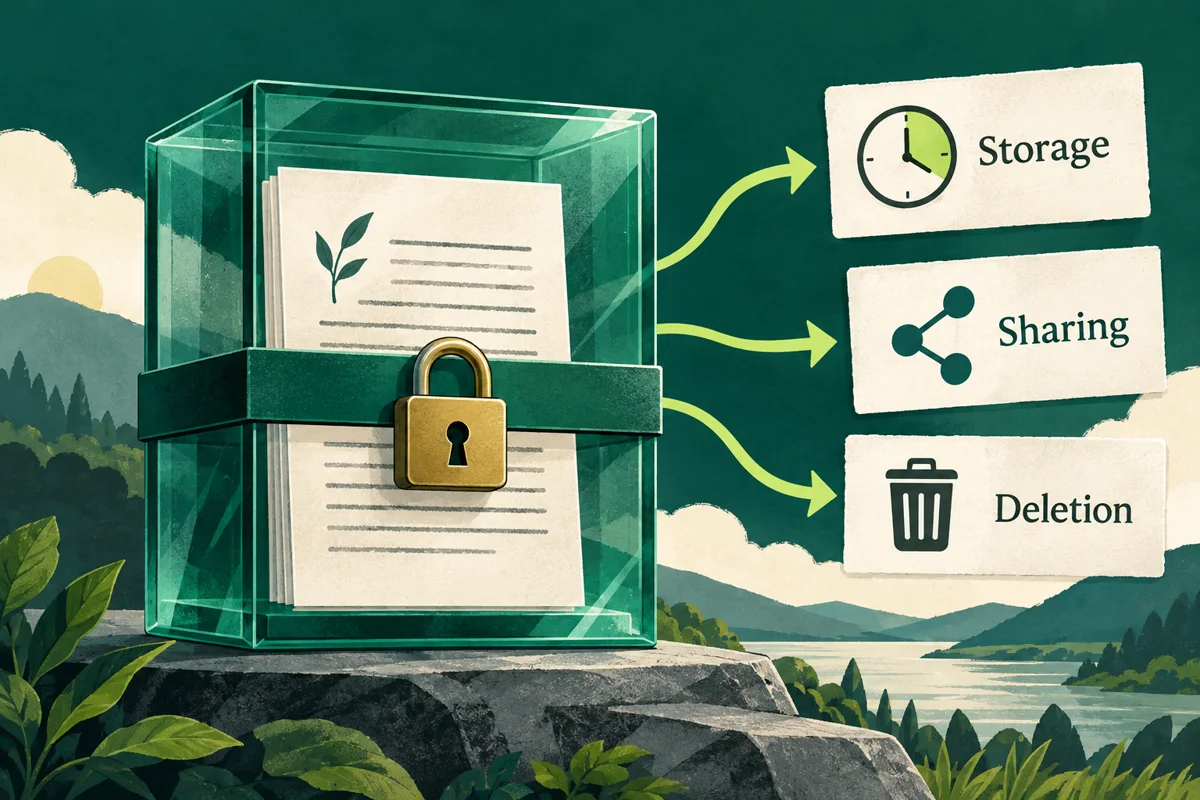
Is It Safe to Upload an Essay to an AI Detector? Privacy Checks
Before uploading coursework, check who can process your text, how long it is kept, whether it is shared or used for training, and whether your school permits the tool.
Read the guide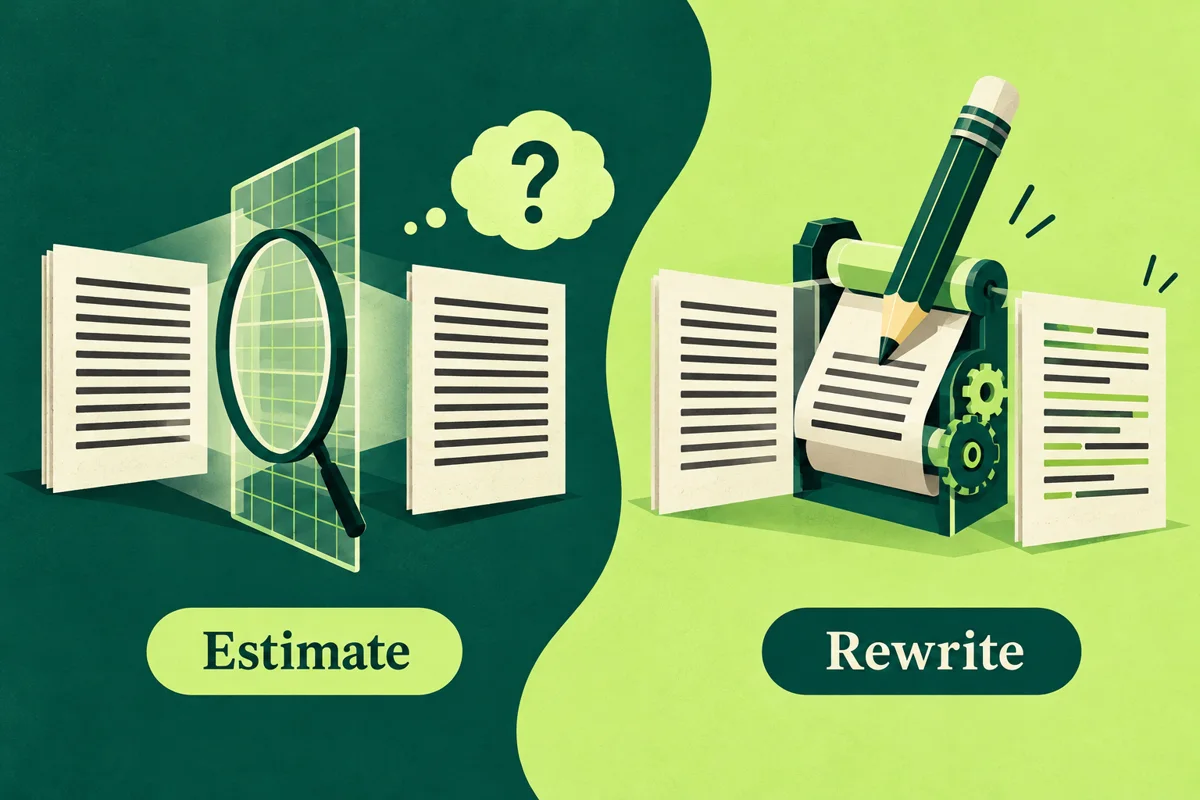
AI Detector vs. AI Humanizer: What Each Tool Does
An AI detector estimates patterns in text; an AI humanizer revises wording. Learn what each tool can and cannot tell you, and how to use them responsibly.
Read the guide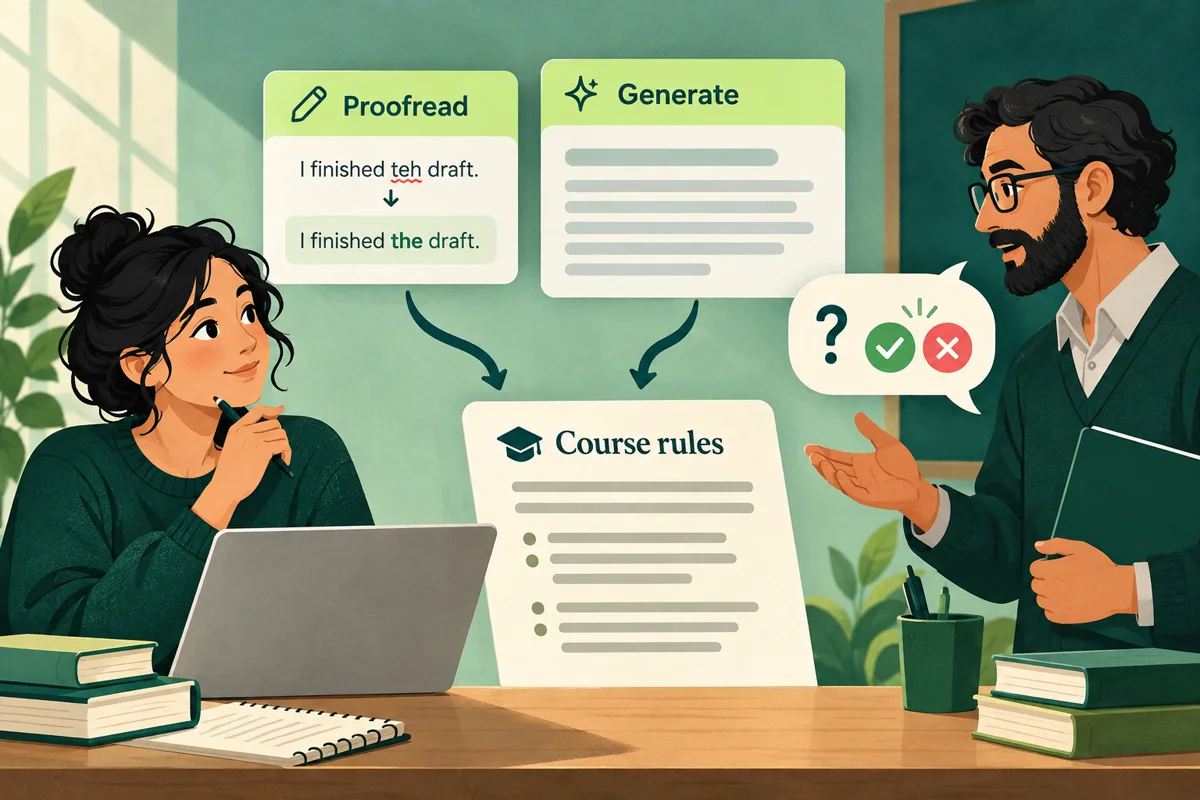
Does Grammarly Count as AI Use? Check the Feature and Your Course Rules
Grammarly includes proofreading suggestions and generative writing features. Learn why course policies vary, how to check a specific feature, and what to do if an instructor asks.
Read the guide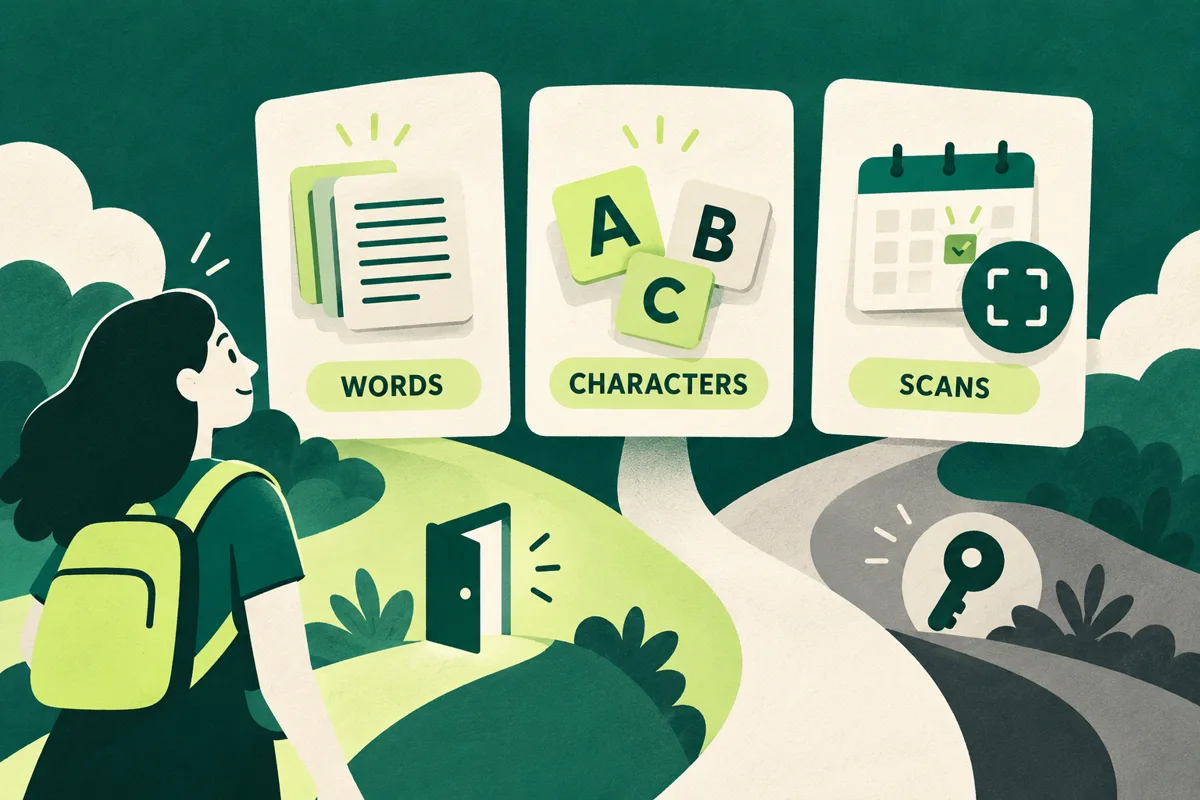
Free AI Detectors: Word Limits, Accounts, and What to Check
Compare the free AI detector limits providers publish, including per-check caps and account requirements. See why scores are estimates, not proof of authorship.
Read the guide
GPTZero vs Turnitin: What Students Should Compare
Compare GPTZero and Turnitin by student access, report visibility, text requirements, and limits. Learn what to ask your instructor before interpreting a score.
Read the guide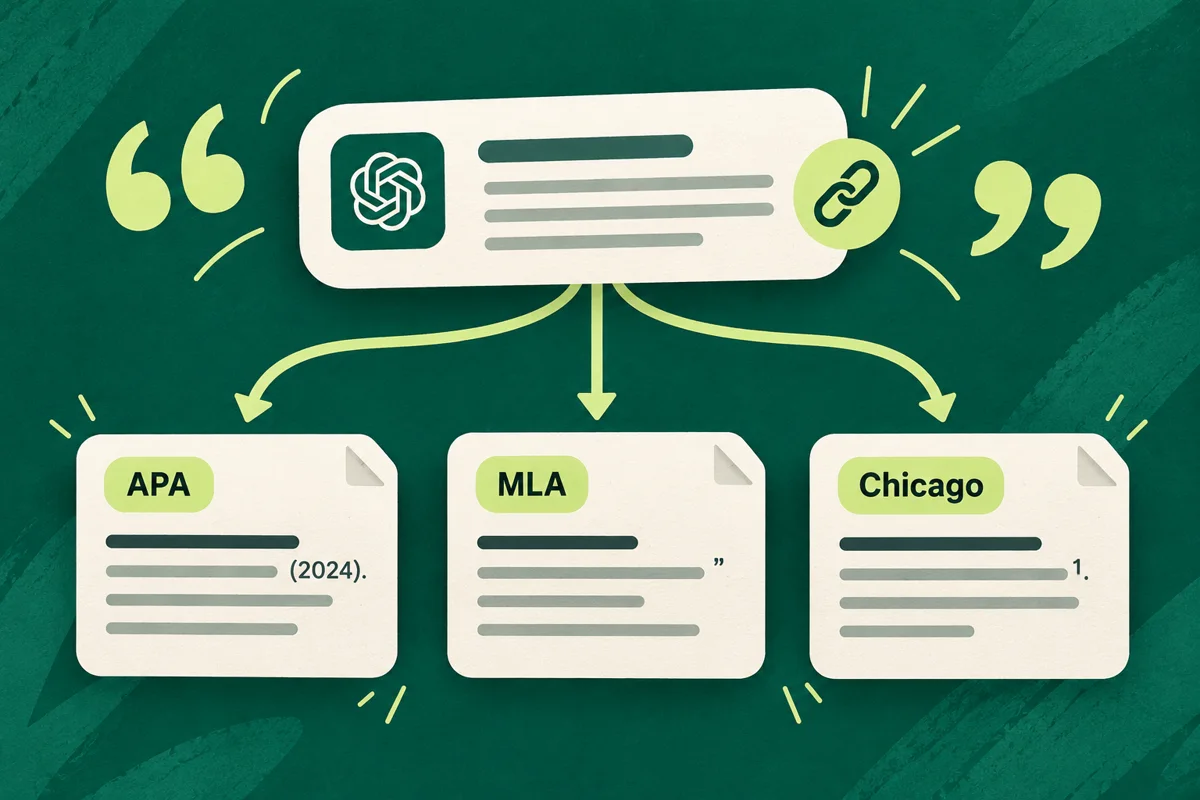
How to Cite ChatGPT in APA, MLA, and Chicago
See current APA, MLA, and Chicago formats for citing a ChatGPT conversation, referencing the tool, and disclosing AI assistance.
Read the guide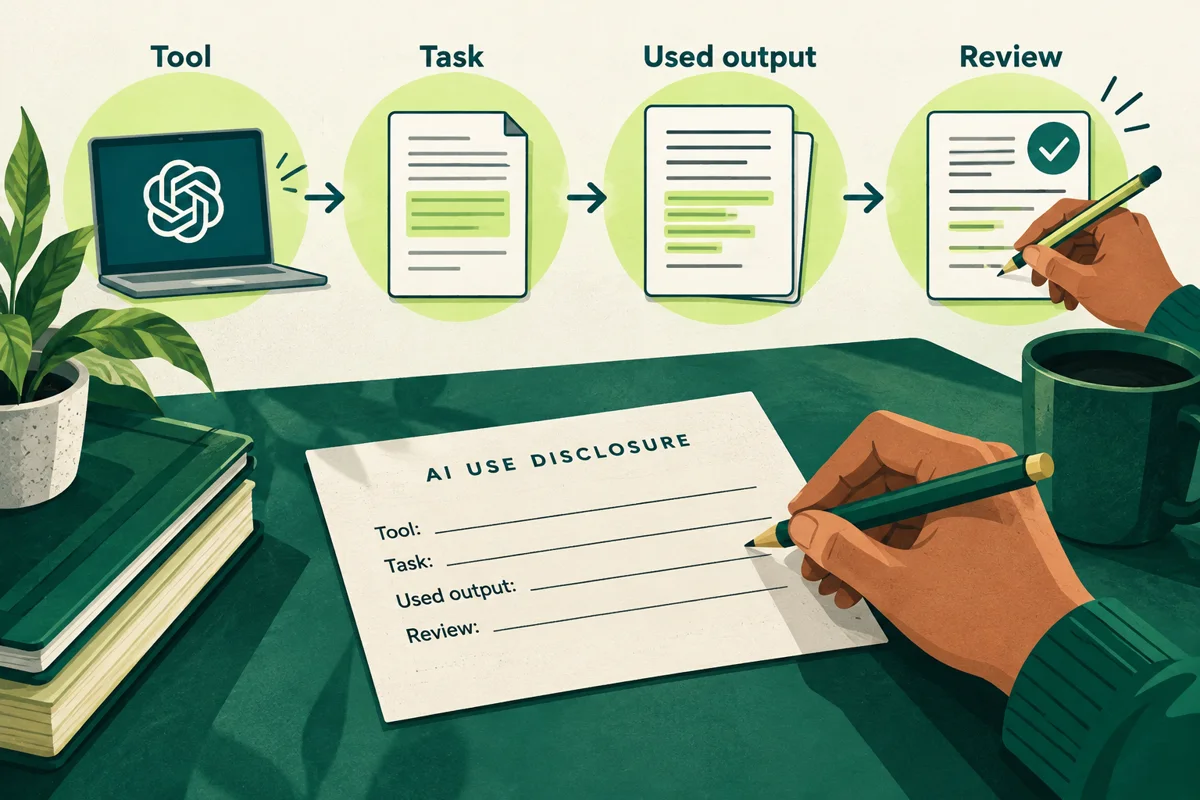
AI-Use Disclosure Statement Examples for College Assignments
Write an AI-use disclosure for a college assignment with adaptable examples for brainstorming, editing, generated content and multiple tools.
Read the guide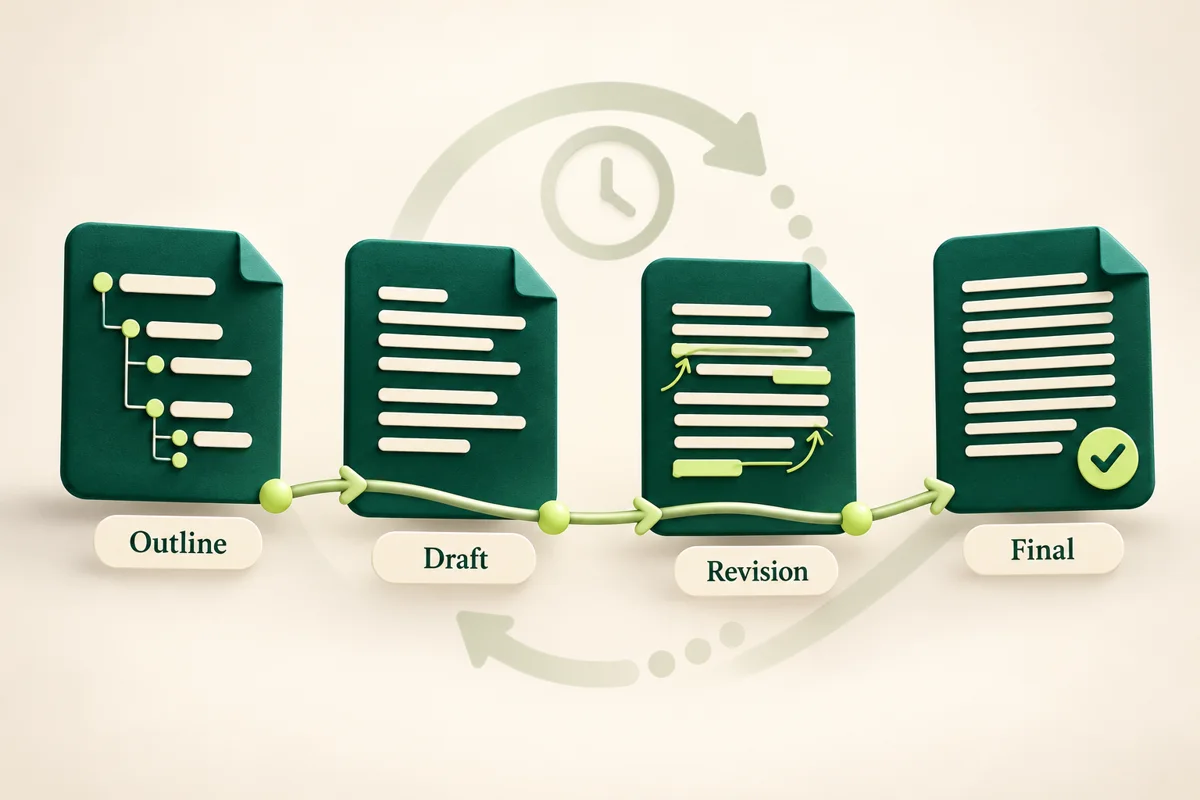
How to Save Essay Drafts and Version History
Find essay version history in Google Docs and Word, save meaningful drafting stages, and keep a simple revision log. Includes a practical checklist.
Read the guide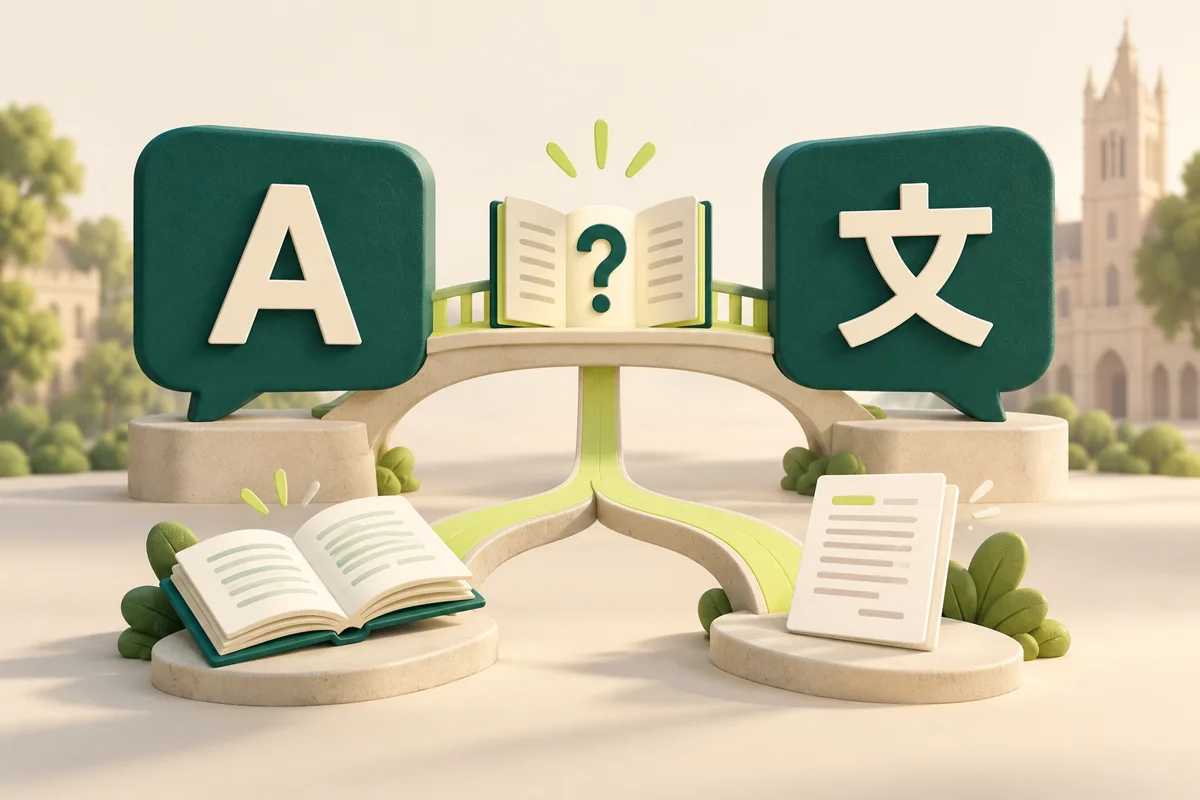
Can You Use Google Translate for University Assignments?
Check when Google Translate or another translation tool is allowed for coursework. Compare specific university guidance, ask permission, and review permitted output.
Read the guide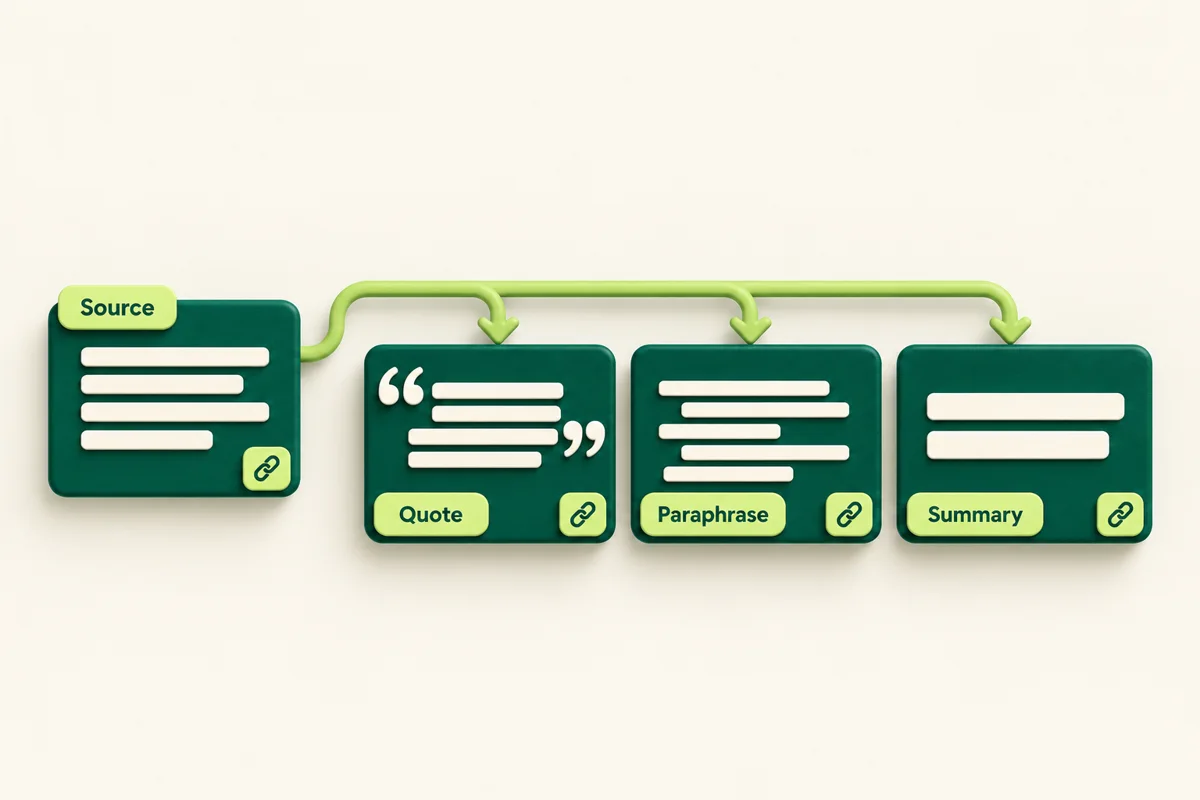
Paraphrasing vs Summarizing vs Quoting: Examples
Compare paraphrasing, summarizing and quoting with one passage shown three ways. Learn which approach fits, what to cite, and how to avoid a too-close rewrite.
Read the guide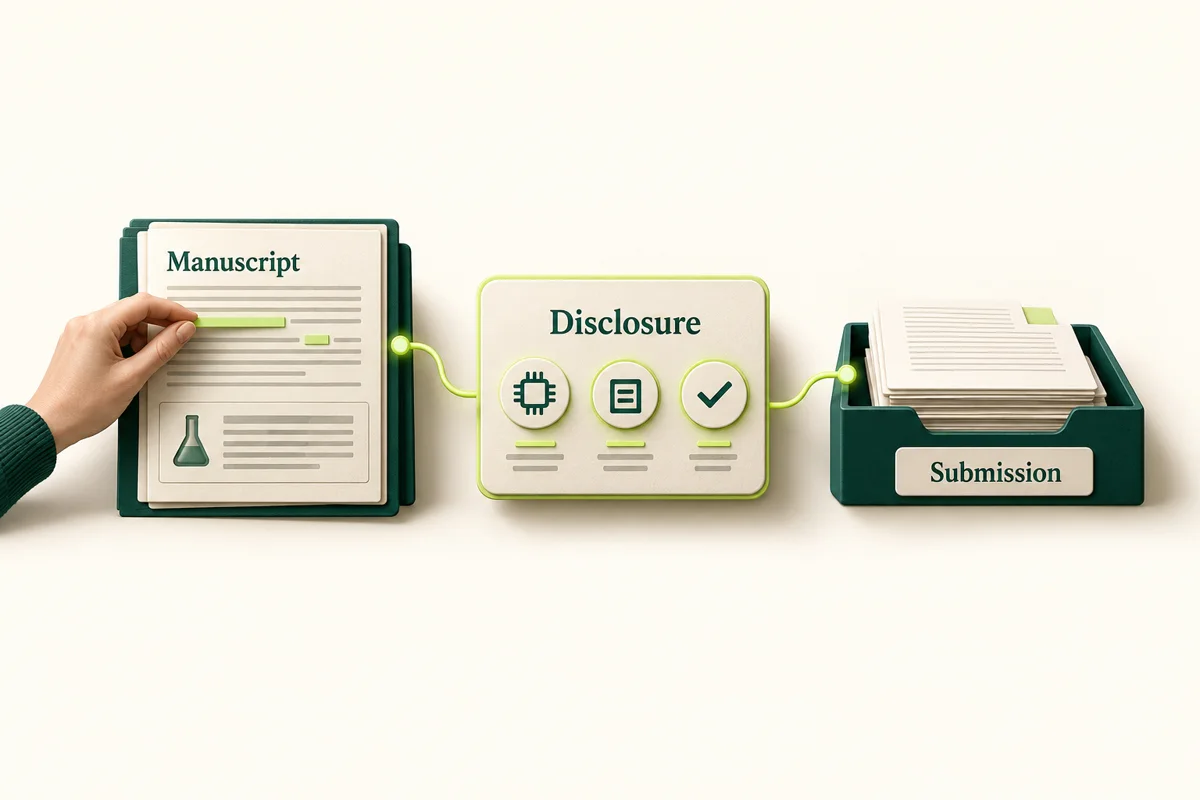
AI Disclosure Statement for a Research Paper
Prepare an AI disclosure for a research paper with a practical record sheet and adaptable wording. Compare journal guidance on proofreading, rewriting and research use.
Read the guide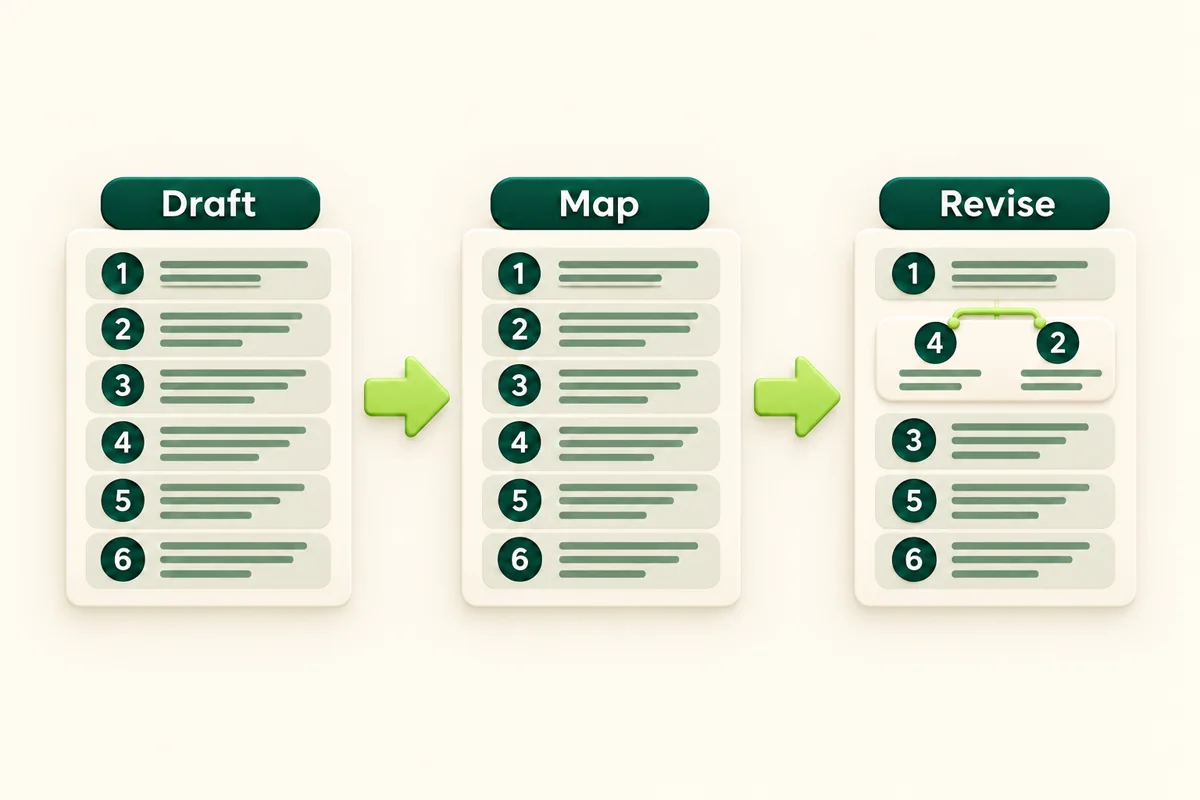
How to Reverse Outline an Essay: A Worked Example
Map what each paragraph actually does, spot gaps and repetition, and plan structural revisions. Includes an original short draft, worked outline and checklist.
Read the guide